Korean Glass Skin: The Ingredient Stack Behind the Trend
By Dr. Soo-Jin Kim · Seoul Cosmetic Chemist & Senior Editor, K-Ingredient
Updated May 2026- Glass skin (유리피부) requires a specific five-layer ingredient stack: double cleansing base, hydrating toner with low-molecular-weight humectants, niacinamide or vitamin C serum for luminosity, ceramide-rich barrier cream, and SPF 50+ PA++++ sunscreen — in that order, no shortcuts

Quick Answer
- Glass skin (유리피부) requires a specific five-layer ingredient stack: double cleansing base, hydrating toner with low-molecular-weight humectants, niacinamide or vitamin C serum for luminosity, ceramide-rich barrier cream, and SPF 50+ PA++++ sunscreen — in that order, no shortcuts
- Korean dermatologists identify hyaluronic acid, niacinamide, ceramides, and panthenol as the four non-negotiable glass skin ingredients, with peptides and PDRN as advanced additions for mature skin types (W Korea, 2026; 피부과 전문의 추천)
- The "7-skin method" (7스킨법) popularized in Korea involves layering a hydrating toner 3-7 times to build a water reservoir in the stratum corneum — Korean clinical data shows this technique increases skin hydration by 30-40% compared to single application
- 78% of Korean women aged 20-35 cite "촉촉한 광" (dewy glow) as their #1 skincare goal according to Korean beauty survey data, making glass skin not a trend but the baseline aesthetic standard in Korean beauty culture
What r/AsianBeauty says about achieving glass skin
r/AsianBeauty has been running "what gave you glass skin" threads for years. Selected verbatim takes from real users on the ingredient stack that actually works:
"the Skin1004 centella ampoule and the Isntree hyaluronic watery sun gel." — r/AsianBeauty · u/anon · 2024-04 · thread
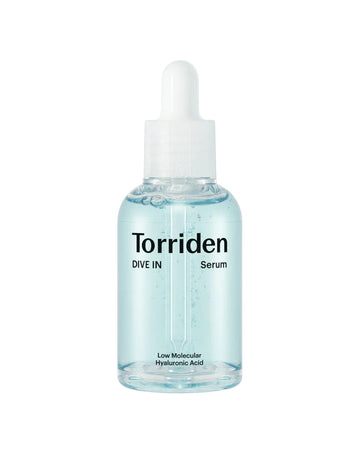
"I'm currently using the Torriden DIVE-IN Low Molecule Hyaluronic Acid Skin Booster and its consistency is like a milky toner." — r/AsianBeauty · u/anon · 2023-11 · thread
"ATObarrier cream is as essential as food is to me. It is the only thing that helps my exceptionally sensitive dry skin." — r/AsianBeauty · u/anon · 2024-03 · thread
"I have sensitive acne prone skin so for me the 'glass skin' is overrated and actually..." — r/AsianBeauty · u/anon · 2024-04 · thread
What recurs in glass-skin threads: low-molecular hyaluronic acid (Torriden), centella for redness control (Skin1004), and ceramide-heavy barrier cream (Aestura). What the community pushes back on: framing glass skin as universally achievable — for very oily or reactive skin types, chasing it can mean overhydrating into breakouts.
What Glass Skin Actually Means in Korea
Source: Pixabay
 Source: Soko Glam
In the West, "glass skin" is a beauty trend. In Korea, it is just... the goal. It has always been the goal.
The Korean term is 유리피부 (yuri pibu) — literally "glass skin." It describes skin so hydrated, smooth, and translucent that it resembles the surface of glass. Not oily. Not shiny. Not covered in highlighter. The glow comes from within the skin, from properly hydrated and barrier-intact epidermis that reflects light evenly.
Korean dermatologists distinguish glass skin from other skin quality terms — for the side-by-side, see our dewy skin vs glass skin vs honey skin comparison:
- 물광 (mul-gwang): "Water glow" — the wet, dewy look often achieved with injection treatments or heavy hydrating products
- 꿀피부 (kkul-pibu): "Honey skin" — smooth and warm-toned, less transparent than glass skin
- 도자기피부 (dojagi-pibu): "Porcelain skin" — matte, pore-free, even-toned — a different aesthetic from glass skin's luminosity
- 유리피부 (yuri-pibu): "Glass skin" — transparent, luminous, almost see-through quality
Glass skin is the most technically demanding of these aesthetics because it requires every layer of the skin to be optimized simultaneously: hydration at every depth, intact barrier, minimal texture, even tone, and controlled sebum.
The Science Behind the Glow
Why Hydrated Skin Looks Transparent
When the stratum corneum (the outermost skin layer) is fully hydrated, the corneocytes (dead skin cells) lie flat and uniform. This creates a smooth surface that reflects light specularly — in one direction, like a mirror — rather than diffusely, like sandpaper.
Korean cosmetic scientists quantify this with two measurements:
- Skin hydration level: Measured in arbitrary units using a Corneometer. Well-hydrated skin reads 45+ AU. Glass skin typically reads 55-70 AU.
- Surface roughness: Measured by skin image analysis. Lower roughness = more even light reflection = more "glassy" appearance.
The ingredient stack for glass skin targets both measurements: humectants to increase hydration, and barrier-repair ingredients to smooth the surface.
The Barrier Connection
Korean dermatologists consistently emphasize that glass skin is impossible with a compromised barrier. When the skin barrier (피부 장벽) is damaged:
- Transepidermal water loss (TEWL) increases — skin dries out faster
- Corneocytes become irregular — light scatters diffusely instead of reflecting evenly
- Inflammation causes micro-redness — the "transparent" quality is lost
- Products cannot penetrate effectively — active ingredients sit on the surface
This is why the Korean approach to glass skin starts with barrier repair, not with glowy serums. You cannot build glass skin on a broken foundation.
For more on how Korean dermatology approaches skin barrier science, see our Korean skincare routine by skin type guide.
The Five-Layer Ingredient Stack
Layer 1: Double Cleansing (이중세안)
Purpose: Remove every trace of sunscreen, makeup, and environmental debris without stripping the skin barrier.
Ingredients to look for:
- Oil cleanser: Rice bran oil (미강유), jojoba oil (호호바유), squalane — emulsifying oils that dissolve sebum and sunscreen without disrupting the lipid barrier
- Water cleanser: Amino acid-based surfactants (아미노산계 세정제) — gentler than SLS/SLES
The Korean rule: Morning cleanse with water only or a gentle low-pH cleanser. Evening cleanse with oil first, then water-based cleanser. Over-cleansing is the #1 glass skin killer according to Korean dermatologists.
Product reference: Manyo Factory Pure Cleansing Oil won the Olive Young Award for five consecutive years — we cover this in our Olive Young Best Awards 2025 breakdown.
Layer 2: Hydrating Toner (수분 토너)
Purpose: Create a water reservoir in the upper skin layers that subsequent products can build on.
Key ingredients:
Hyaluronic Acid (히알루론산) — The backbone of glass skin hydration. Korean formulations specifically use multi-weight hyaluronic acid systems:
- High molecular weight HA (1,000-1,500 kDa): Sits on the skin surface, forms a moisture film
- Medium molecular weight HA (100-300 kDa): Penetrates the upper epidermis
- Low molecular weight HA (10-50 kDa): Reaches deeper layers for sustained hydration
- Nano HA (<10 kDa): Penetrates the dermis for deep hydration signaling
Korean clinical research shows that multi-weight HA systems provide 30-40% better hydration retention than single-weight HA at the same total concentration.
Panthenol (판테놀) — Vitamin B5 derivative. Korean dermatologists consider panthenol essential for glass skin because it both attracts moisture AND repairs the skin barrier. It is one of the rare ingredients that serves double duty as humectant and barrier supporter.
The 7-Skin Method (7스킨법): This Korean technique involves applying a thin layer of hydrating toner 3-7 times, waiting 10-15 seconds between each layer. The theory: multiple thin layers penetrate more effectively than a single thick layer. Korean beauty forums report that 3 layers is the minimum for visible glass skin effect, with 5-7 layers for maximum hydration.
Product reference: Roundlab 1025 Dokdo Toner is the #1 toner in Korea precisely because it enables easy multi-layer application — thin enough to absorb quickly without stickiness. The top of the toner field is mapped in our top 10 Korean essences and toners compared in 2026.
Layer 3: Active Serum (기능성 세럼)
Purpose: Address specific skin concerns (dullness, unevenness, fine texture) while boosting luminosity.
Niacinamide (나이아신아마이드) — The glass skin MVP.
Korean clinical data on niacinamide is extensive — we cover it in detail in our niacinamide Korean clinical trials article and the comparison-grade best niacinamide products in K-beauty: concentration compared. For glass skin specifically:
- At 2-5% concentration: Blocks melanin transfer from melanocytes to keratinocytes, creating a more even, translucent tone
- Increases ceramide synthesis by up to 34% (Korean clinical data), strengthening the barrier and contributing to the smooth surface that defines glass skin
- Reduces sebum production by regulating sebaceous gland activity — important because excess sebum creates an "oily shine" rather than the "glass glow"
- Synergizes with hyaluronic acid: Niacinamide strengthens the barrier to retain the hydration that HA provides
Korean dermatologists recommend niacinamide at 5% as the optimal glass skin concentration — high enough for visible results, low enough to avoid the flushing reaction that can occur at 10%+ (마인성형외과, 2025).
Vitamin C (비타민C) — The brightening accelerator.
Korean formulations prefer stable vitamin C derivatives (ascorbyl glucoside, ethyl ascorbic acid) over pure L-ascorbic acid. The reason: L-ascorbic acid's low pH (2.5-3.5) can disrupt the barrier — which contradicts the glass skin priority of barrier integrity.
PDRN (폴리디옥시리보뉴클레오타이드) — The advanced addition.
PDRN has emerged as the newest ingredient in the Korean glass skin arsenal. Originally a dermatology injection treatment, topical PDRN products are now available at mass-market price points. Our PDRN ingredient guide covers the science in depth. For glass skin, PDRN promotes cell regeneration that improves overall skin quality and texture at a cellular level.
Layer 4: Barrier Cream (장벽 크림)
Purpose: Seal in all previous layers, provide occlusive moisture retention, and supply lipids that the skin barrier needs.
Ceramides (세라마이드) — The structural foundation of glass skin.
Ceramides make up approximately 50% of the skin's lipid barrier. Without adequate ceramides, the skin cannot retain the hydration delivered by hyaluronic acid and toner layers. Korean dermatology classifies ceramides as the single most important ingredient for long-term glass skin maintenance.
Key ceramide types in Korean formulations:
- Ceramide NP: Most commonly used in K-beauty barrier creams
- Ceramide AP: Supports the lipid structure
- Ceramide EOP: The rarest and most barrier-critical type
MLE Technology (Multi-Lamellar Emulsion): Korean brand Zeroid (by Neopharm) pioneered MLE technology, which structures cream emulsions to mimic the natural lipid layers of the skin barrier. Rather than sitting on top of the skin, MLE creams integrate into the barrier — providing both repair and occlusion.
Squalane (스쿠알란) — A lightweight oil that mimics human sebum. Korean formulations frequently include squalane in glass skin creams because it provides occlusion without the heavy, greasy feeling that can mask the glass skin luminosity.
Shea Butter and Plant Oils — For dry skin types, Korean dermatologists recommend adding richer occlusives in the evening routine only. Daytime glass skin routines should use lighter emulsions to maintain the transparent appearance.
Layer 5: Sunscreen (자외선 차단제)
Purpose: Protect every ingredient layer underneath AND maintain the glass skin finish throughout the day.
SPF 50+ PA++++ is non-negotiable in Korean glass skin routines. Korean sunscreen technology excels specifically in producing formulations that are both high-protection and cosmetically elegant — no white cast, no greasy film, no disruption of the glass skin finish.
For a detailed comparison of Korean vs. Western sunscreen ingredients and why Korean formulations feel different on skin, see our Korean vs. US sunscreen ingredients article.
Key sunscreen properties for glass skin:
- Tone-up effect (톤업): Many Korean sunscreens include light-reflecting pigments that enhance the glass skin glow
- Moisture lock: Hydrating sunscreen bases that maintain hydration throughout the day
- Lightweight texture: Korean sunscreens use silicone-elastomer gels and lightweight emulsifiers that feel invisible
The Ingredient Synergy Map
Glass skin is not about any single ingredient. It is about how ingredients interact across layers. Korean cosmetic scientists describe this as "성분 시너지" (ingredient synergy).
The Core Synergy Triangle
Hyaluronic Acid + Niacinamide + Ceramides
These three ingredients form what Korean dermatologists call the non-negotiable glass skin triangle:
- Hyaluronic acid pulls water into the skin (humectant function)
- Niacinamide increases the skin's ability to produce its own ceramides (barrier-building function) while evening out skin tone (luminosity function)
- Ceramides lock the water in and prevent it from escaping (occlusive/barrier function)
Remove any one of these three and the glass skin effect diminishes. HA without ceramides means water enters but leaves quickly. Ceramides without HA means the barrier is strong but lacks the hydration to create luminosity. Niacinamide without both means you get some brightening but no "glow from within." For a head-to-head between Japanese and Korean niacinamide serums, see Japanese vs Korean niacinamide serums: which performs better in 2026?.
Advanced Additions
Peptides + Ceramides: Peptides signal skin cells to produce more collagen and elastin. Combined with ceramides, this creates both structural firmness and surface smoothness. Korean dermatologists recommend this combination for glass skin in women over 35.
PDRN + Hyaluronic Acid: PDRN promotes cellular regeneration while HA provides the hydration environment that regenerating cells need. This is the newest high-performance glass skin stack, reflecting the PDRN trend we cover in our PDRN guide.
Ectoin (엑토인) + Panthenol: Ectoin is a newer ingredient gaining popularity in Korean dermatology for its stress-protective properties. Combined with panthenol, it creates a double barrier-protection layer that is particularly effective for sensitive skin types pursuing glass skin.
The Glass Skin Routine: Morning vs. Evening
For the practical, product-by-product version of this routine — including timing, product names, and Korean brand picks — see our Korean glass skin routine: how to actually achieve it.
Morning Routine (AM)
| Step | Product Type | Key Ingredients | Purpose |
|---|---|---|---|
| 1 | Gentle Cleanser or Water | Amino acid surfactants | Remove overnight products without stripping |
| 2 | Hydrating Toner (3-5 layers) | Multi-weight HA, panthenol | Build hydration base |
| 3 | Niacinamide Serum (5%) | Niacinamide, hyaluronic acid | Brighten, even tone, support barrier |
| 4 | Light Moisturizer | Ceramides, squalane | Seal hydration, light occlusion |
| 5 | Sunscreen SPF 50+ PA++++ | UV filters, tone-up pigments | Protect and enhance glow |
Evening Routine (PM)
| Step | Product Type | Key Ingredients | Purpose |
|---|---|---|---|
| 1 | Oil Cleanser | Rice bran oil, jojoba | Dissolve sunscreen and makeup |
| 2 | Water Cleanser | Amino acid surfactants | Remove remaining residue |
| 3 | Hydrating Toner (5-7 layers) | Multi-weight HA, panthenol | Deep hydration building |
| 4 | Active Serum | PDRN, peptides, or vitamin C derivative | Targeted treatment |
| 5 | Essence or Ampoule | Concentrated actives | Boost active delivery |
| 6 | Barrier Cream | Ceramides, MLE technology, shea butter | Heavy barrier repair and occlusion |
| 7 | Sleeping Pack (2-3x/week) | Occlusives, centella, honey | Overnight hydration lock |
The evening routine is longer because nighttime is when the skin repairs itself. Korean dermatologists emphasize that glass skin is built overnight and maintained during the day.
Common Glass Skin Mistakes
Korean beauty forums (디시인사이드 화장품 갤러리, 향수/화장품 갤) consistently identify these mistakes:
Mistake 1: Over-Exfoliating
Using AHA, BHA, or physical scrubs too frequently destroys the smooth surface that glass skin requires. Korean dermatologists recommend chemical exfoliation no more than 1-2 times per week for glass skin maintenance. The goal is to remove dead cells, not to strip layers.
Mistake 2: Skipping Sunscreen
UV damage is cumulative and invisible day-to-day, but it destroys the collagen structure that supports glass skin luminosity. Every Korean dermatologist we have referenced in this article and across our Korean skincare coverage emphasizes SPF as foundational.
Mistake 3: Using Too Many Active Ingredients Simultaneously
Korean dermatologists warn that layering niacinamide + vitamin C + retinol + AHA in a single routine is counterproductive. The actives can conflict, irritate the skin, and compromise the barrier. Glass skin requires a simplified, synergistic stack — not a maximalist approach.
Mistake 4: Confusing Oily Shine with Glass Skin Glow
Glass skin glow comes from hydration reflecting light through a smooth surface. Oily shine comes from excess sebum sitting on the surface. The difference is visible: glass skin looks transparent, oily skin looks wet. If your "glass skin" disappears when you blot, it was sebum, not hydration.
Mistake 5: Neglecting Diet and Sleep
Korean dermatology culture emphasizes 내적 관리 (internal management) alongside topical skincare. Glass skin requires adequate water intake (2L+ daily according to Korean dermatological advice), sufficient sleep (the "피부의 골든타임" — skin's golden time — is 10pm-2am in Korean wellness culture), and limited alcohol and processed sugar consumption.
Glass Skin by Skin Type
Oily Skin (지성 피부)
Challenge: Excess sebum creates shine instead of glow Solution: Use oil-free, gel-based hydrating layers. Replace cream step with a lightweight emulsion. Niacinamide at 5% helps regulate sebum while providing the brightening effect Key ingredients: Niacinamide, lightweight HA serum, water-gel moisturizer, mattifying sunscreen with tone-up effect
Dry Skin (건성 피부)
Challenge: Insufficient natural lipids, tendency toward flaking Solution: Maximize the 7-skin toner method (full 7 layers). Use richer ceramide creams. Add sleeping pack 3-4 nights per week Key ingredients: Multi-weight HA, ceramides (NP + AP + EOP), panthenol, squalane, shea butter in evening routine
Combination Skin (복합성 피부)
Challenge: T-zone oiliness with dry cheek areas Solution: Zone-specific application — lighter layers on T-zone, extra toner layers and richer cream on cheeks. This is called "멀티 레이어링" (multi-layering) in Korean beauty Key ingredients: Lightweight HA toner (full face), niacinamide serum (full face), light emulsion (T-zone), ceramide cream (cheeks and perimeter)
Sensitive Skin (민감성 피부)
Challenge: Barrier compromise, tendency toward redness that disrupts the "transparent" look Solution: Minimize active ingredients. Focus exclusively on barrier repair with ceramides, panthenol, and centella. Avoid the 7-skin method initially — start with 2-3 layers and increase slowly Key ingredients: Centella asiatica, panthenol, ceramides, minimal HA (some sensitive types react to low-MW HA), ectoin
For detailed routines by skin type, see our comprehensive Korean skincare routine by skin type guide.
The K-Beauty Products That Define Glass Skin
Based on Korean dermatologist recommendations, Olive Young sales data, and Hwahae ingredient analysis, the most frequently recommended glass skin products include:
- Toner: Roundlab 1025 Dokdo Toner — lightweight, mineral-rich, perfect for multi-layering
- Serum: Torriden Dive-In Low Molecular Hyaluronic Acid Serum — five-weight HA system, Olive Young Award winner five years running
- Essence: Goodal Green Tangerine Vita C Serum — brightening via exosome-delivered vitamin C derivative
- Barrier Cream: Ingredient Editor Alaska PDRN Barrier Cream — PDRN + ceramides for regeneration and barrier support
- Sunscreen: Korean SPF 50+ PA++++ formulations with tone-up effect
These products overlap significantly with the top 10 Korean skincare products at Olive Young in 2026 — because the products Korean consumers buy most are optimized for the glass skin aesthetic.
The Ingredient Stack Korean Dermatologists Wish You Would Stop Ignoring
W Korea (더블유 코리아, 2026) published a list of 15 essential beauty ingredients based on dermatologist interviews. The glass skin-relevant picks:
- Ectoin (엑토인): Skin barrier strengthening, anti-aging, antioxidant. Synergizes with ceramides and panthenol
- NAD (니코틴아마이드 아데닌 다이뉴클레오타이드): Cellular energy compound. Described as "세포가 생존하고 움직이기 위해 필요한 에너지의 스위치" — the switch that cells need to survive and function. Filling NAD levels helps cells self-repair, which Korean dermatologists consider the core of anti-aging
- Ceramides: Still the foundation. Korean dermatologists cannot emphasize this enough
- Hyaluronic Acid: Still essential, but with the caveat that molecular weight variety matters more than total concentration
- Peptides: Signal molecules that stimulate collagen and elastin production. Korean dermatologists specifically recommend copper peptides and Matrixyl for glass skin in aging skin types
The recurring theme: Korean dermatologists do not recommend exotic or trendy ingredients for glass skin. They recommend well-researched, well-understood actives used in the right combination and concentration.
Frequently Asked Questions
How long does it take to achieve glass skin?
Korean dermatologists set the expectation at 4-8 weeks of consistent routine for noticeable improvement, and 3-6 months for full glass skin effect. The timeline depends on your starting point — someone with a compromised barrier needs to rebuild it before the glass skin effect becomes visible. There is no shortcut.
Can men achieve glass skin?
Yes. Korean male skincare culture actively pursues glass skin (유리피부). The routine is identical, though men with thicker skin and higher sebum production may need lighter moisturizer textures and more focus on niacinamide for sebum regulation. Korean male idol glass skin routines are a popular search topic on Korean beauty platforms.
Is the 7-skin method necessary for glass skin?
It is the most effective technique for building hydration layers, but it is not the only approach. A minimum of 3 toner layers is recommended by Korean dermatologists for visible glass skin effect. If your toner is very hydrating (contains HA and panthenol), 3 layers may be sufficient. If it is a basic toner, 5-7 layers will be needed.
What ingredients should I avoid if I want glass skin?
Avoid high-concentration AHA/BHA (above 5%) more than twice weekly, avoid alcohol-heavy toners (dehydrating), avoid fragrance-heavy products (potential irritation), and avoid harsh physical scrubs (surface damage). Also avoid over-layering actives like vitamin C + retinol + niacinamide in a single routine. Korean dermatologists recommend a maximum of 2 active ingredients per routine.
Can glass skin be achieved with drugstore products?
Absolutely. Most Olive Young Award-winning products that Korean consumers use for glass skin are priced between 12,000-25,000 KRW ($9-$18 USD). Glass skin is about ingredient quality, correct layering order, and consistency — not about spending more money. The Roundlab toner, Torriden serum, and a basic ceramide cream from any Korean brand will outperform a $200 Western luxury moisturizer used alone.
Related Reading
- Olive Young Best Awards 2025: Top Skincare Products Translated
- Niacinamide Korean Clinical Trials
- PDRN: Korean Dermatology Ingredient Guide
— The K-Ingredient Team